When a new iGaming product begins to scale rapidly, search demand for its brand often arises before the company is ready to protect it. This is the moment when users stop clicking on paid ads and start typing the brand name directly into Google—usually searching for “brand login”, “brand registration”, or official entry points.
If the company hasn’t set up a strong SEO foundation early on, affiliate partners and competitors quickly step in and take over the brand’s search engine results page (SERP). As a result, the company is forced to pay for its own demand—buying back its already interested users through affiliate agreements instead of attracting them using its own resources.
At this point, operators face a choice. They can continue to treat brand traffic as standard paid acquisition and keep paying market rates for users who were already searching for the brand anyway. Or they can develop a systematic search strategy aimed at maintaining their branded SERP, capturing high-intent queries, and redirecting users directly to controlled entry points.
This is precisely the challenge we faced in one of our projects: expanding a brand in the iGaming sector in the Australian market. Below, we’ll explain how we built a SERP control system, why operators will lose control over branded search in 2026, and how we managed to lower the eCPA to $44.
| 💡 What Brand Protection Means in 2026❗️Lose your grip on the SERP, and you’re essentially letting other people monetize the awareness you paid to build. |
Case Study: Reclaiming the Branded SERP in Australia
The Client’s Problem
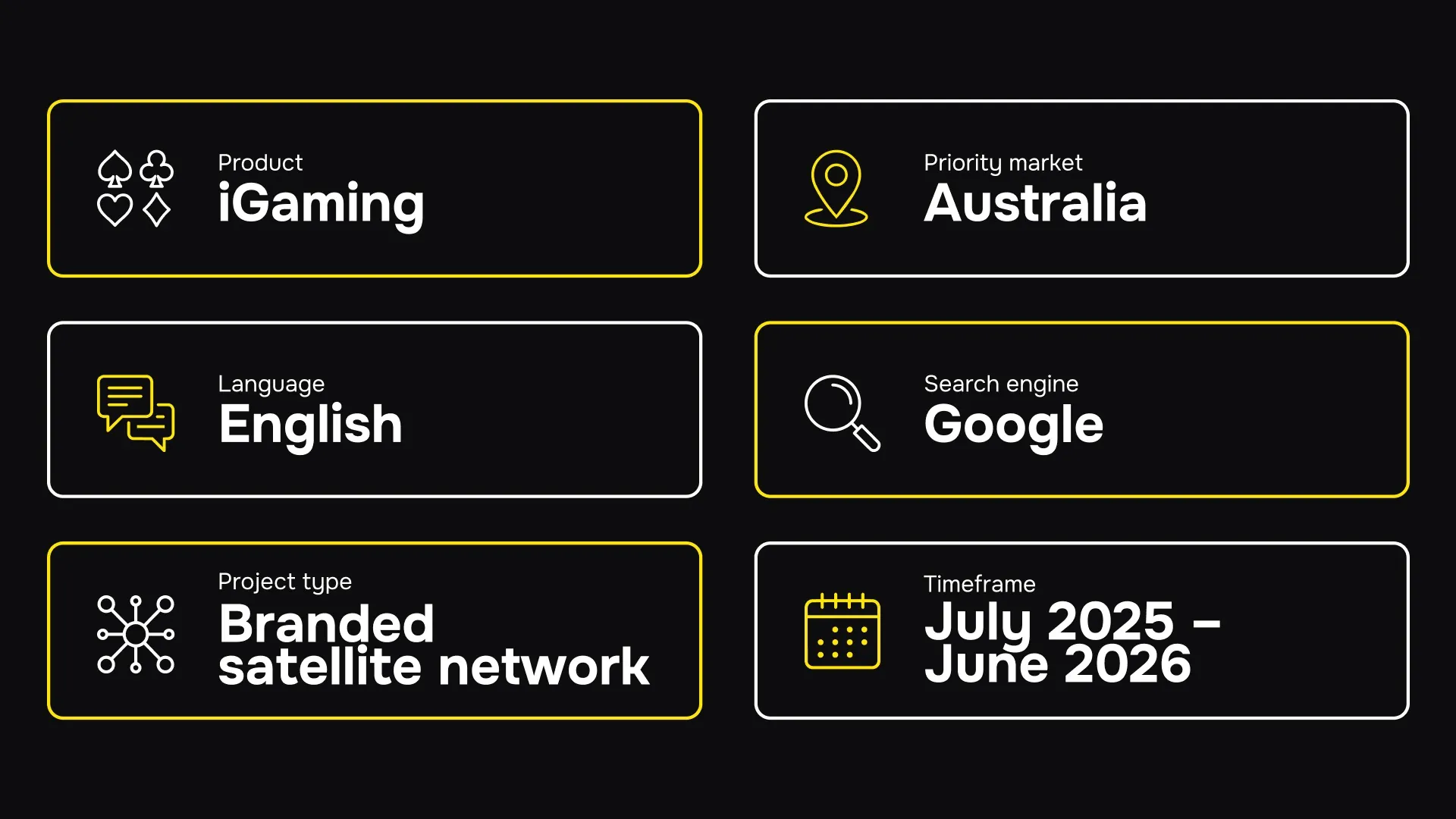
When we started working with the client—an iGaming operator focused on the Australian market—they were seeking to organically increase brand awareness but had no control over search results. Third-party review sites, cross-domain affiliate sites, and competitors’ pages dominated the top positions on Google AU, capturing clicks from users with high intent and redirecting players to other sites.
Our goal was clear: to establish complete control over the first page of Google for brand-related searches, eliminate traffic interception, and reduce the overall cost of customer acquisition.
Step-by-Step: How We Took Over the SERP
Here’s the strategy the mr.Booster team put together:
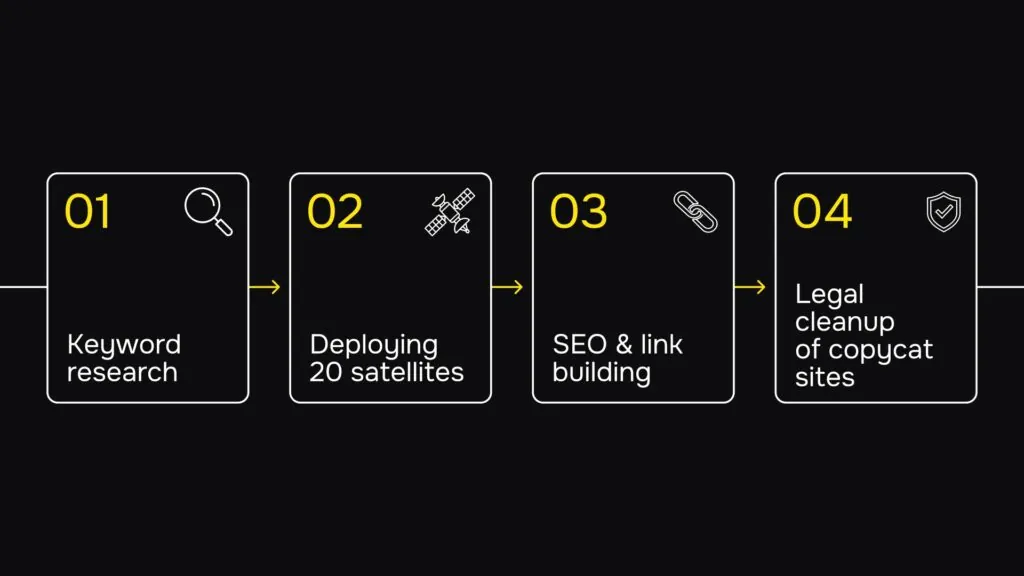
Step 1. Keyword Research and Intent Mapping
We created a comprehensive semantic core of brand-related search terms—“brand,” “play + brand,” “Australia brand,” “brand + login,” etc.—and then grouped them into clusters to identify the search terms with the highest conversion potential.
Step 2. Deploying a Network of 20 Branded Satellites
Pushing out just one competitor wasn’t enough—the goal was to push out all ten of the top competitors. So we set up an infrastructure consisting of 20 branded satellite sites on optimized domains, including exact-match domains (EMDs).
All the green lines are the brand’s rankings in the search results ↓
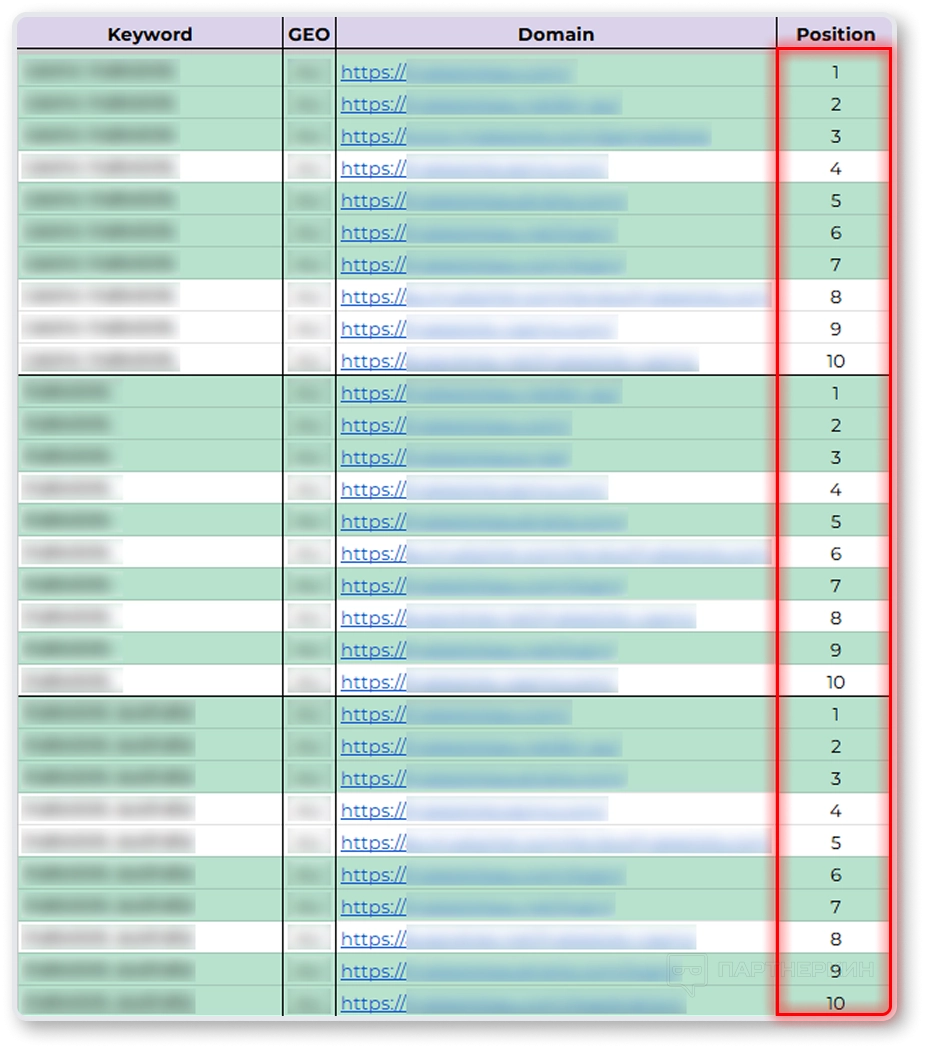
| 💡 Why one site isn’t enough: Search results are constantly changing. Even if your main website ranks first, the other nine positions are still up for grabs—competitors, phishing pages, and affiliate reviews are all vying for them. True control over the search results page (SERP) means creating a buffer zone of resources you own that fills the entire first page of results. |
Step 3. Technical SEO and Structural Buildout
Each satellite got its own page structure tailored to a specific query cluster — login, registration, bonuses — along with a solid technical foundation and localized content.
Step 4. Active SERP Cleanup
While our sites were climbing, we ran a parallel process to get unwanted resources out of the results — filing legal claims and abuse reports against copycat sites infringing on the brand’s assets.
| 💡 The playbook: Monitoring runs daily. The moment a copycat site riding on the brand’s reputation shows up, we put together the evidence immediately — screenshots, snippets, IDs — then file a formal complaint with the hosting provider, the domain registrar, or through Google Search Console (DMCA / Trademark Policy). |
Results
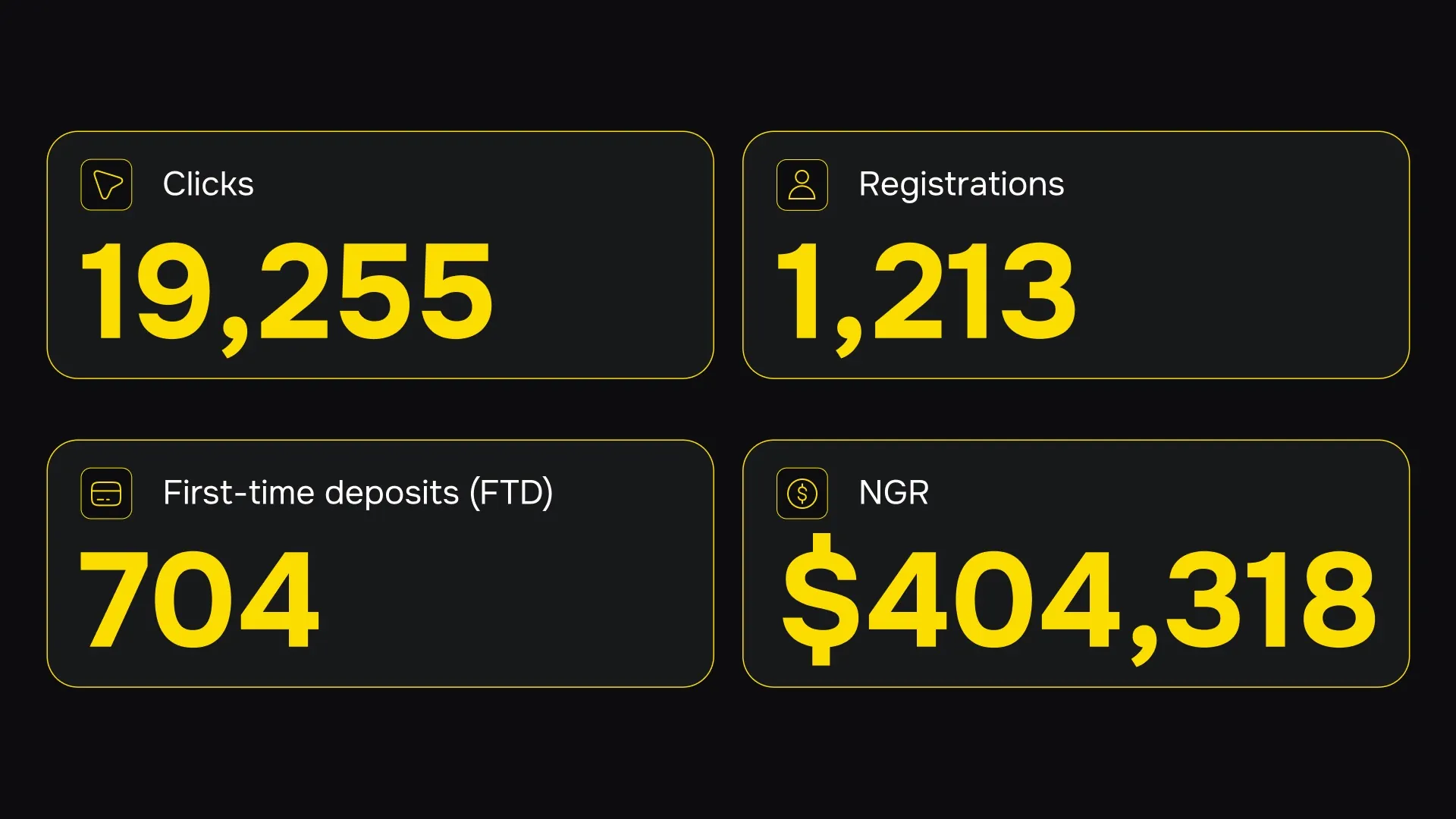
Over 12 months (July 2025 – June 2026), the satellite network turned into a strong, stable acquisition channel.
Headline numbers:
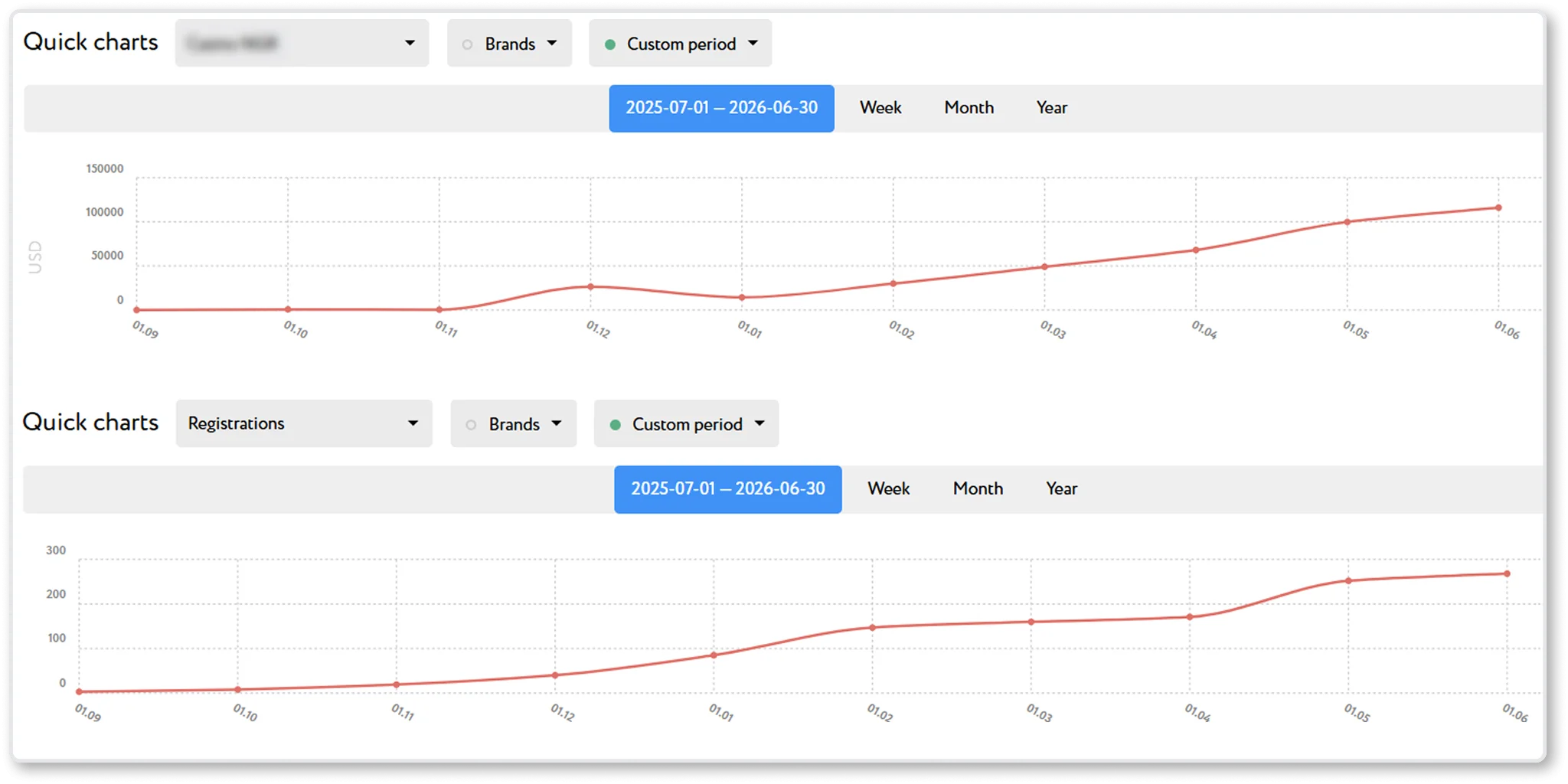
Six-Month Trend (January – June 2026)
Work on conversion optimization and cost efficiency drove a sharp drop in the effective cost of acquiring a depositor (eCPA):
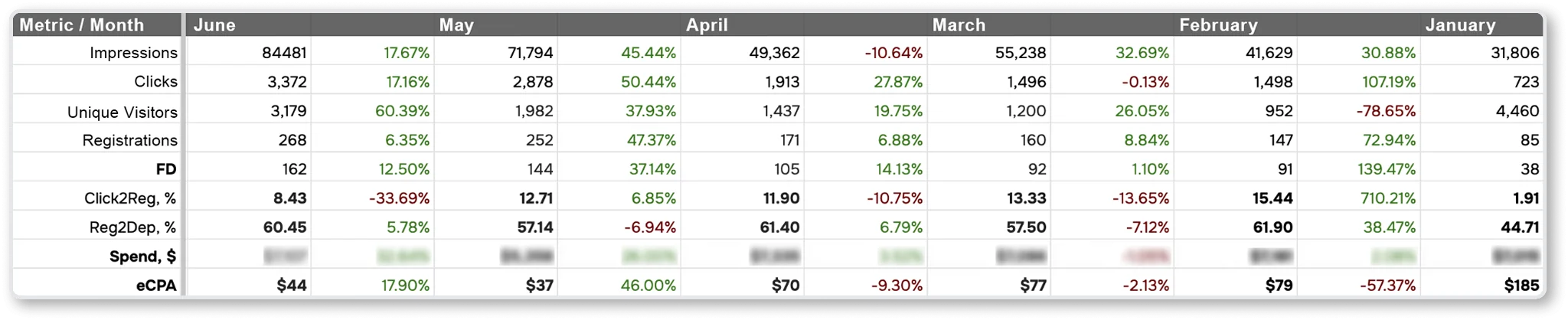
📈 The key number here: eCPA dropped from $185 in January to $44 in June — more than a 4x reduction in the cost of a first deposit — while monthly first deposits climbed from 38 to 162.
Takeaway
When brand awareness grows, search results become a primary point of revenue leakage if left unmanaged. Without dedicated SERP infrastructure, businesses end up paying third parties for users who were already looking for their product.
In this case, building an owned satellite network and running ongoing SERP maintenance allowed us to reclaim 60% of branded search results, protect incoming traffic, and bring effective acquisition costs down to $44 per depositor.
💡 Want to secure your branded search and stop paying twice for your own demand?
Reach out to the mr.Booster team. We can help you audit your branded SERP, remove unauthorized pages, and build an infrastructure that keeps your traffic under your control.
✉️ Contact us for your Brand’s Protection!