The user journey has significantly changed in 2026 and so has the SEO. Users go far beyond Google with their queries, AI is everywhere, industry experts are talking about EEAT, AISO and other mysterious abbreviations… In a word, it looks like things are getting harder and the era of on-the-nose SEO techniques is officially over.
What does it mean for SEO professionals? Looks like ranking for a keyword is no longer the only objective. However, what’s actually happening and what to do?
To answer these and other tricky questions, we asked Valeria Masliuchenko, our SEO expert, to share her hottest insights from practice.
Not by Google Alone…
Talking about a non-linear user journey of 2026, it’s important to elaborate a bit: even though Google still remains the dominant search platform, it is no longer the only place where users look for answers.
People increasingly discover products, services, and information through ChatGPT, Gemini, and Perplexity, while younger audiences often use TikTok, Instagram, Reddit, or YouTube as primary discovery channels. For commercial searches, many users skip traditional search engines entirely and begin directly on Amazon, marketplaces, or review platforms.
Valeriia Masliuchenko, SEO Specialist at mr.Booster, says:
“This shift means SEO has expanded beyond optimizing webpages for Google’s search results. Brands now need content that is easy for both search engines and AI systems to understand, while also building a consistent presence across multiple platforms where their audience actively searches for information.”
How AI-Obsession Is Reshaping Search
AI gradually became an integral part of our everyday life, which also includes the way we search online. AI-generated overviews and conversational search experiences become more and more common, while changing how search engines process queries and present information.
Not only AI is used to retrieve and generate content, but also to evaluate it. AI crawlers interpret context, relationships between concepts, and user’s underlying intent instead of just checking if there are matching keywords on the page. What is more, they identify poor and purely SEO-driven content easier, deprioritizing it for low quality.
“As a result, content that provides comprehensive answers, demonstrates expertise, and covers a topic in depth is more likely to perform better than pages created around isolated keywords,” – Valeriia Masliuchenko adds.
Now, What Is AI Search Optimization (AISO)?
The rapid adoption of AI-powered search has expanded the scope of SEO with a new discipline – AI Search Optimization (AISO).
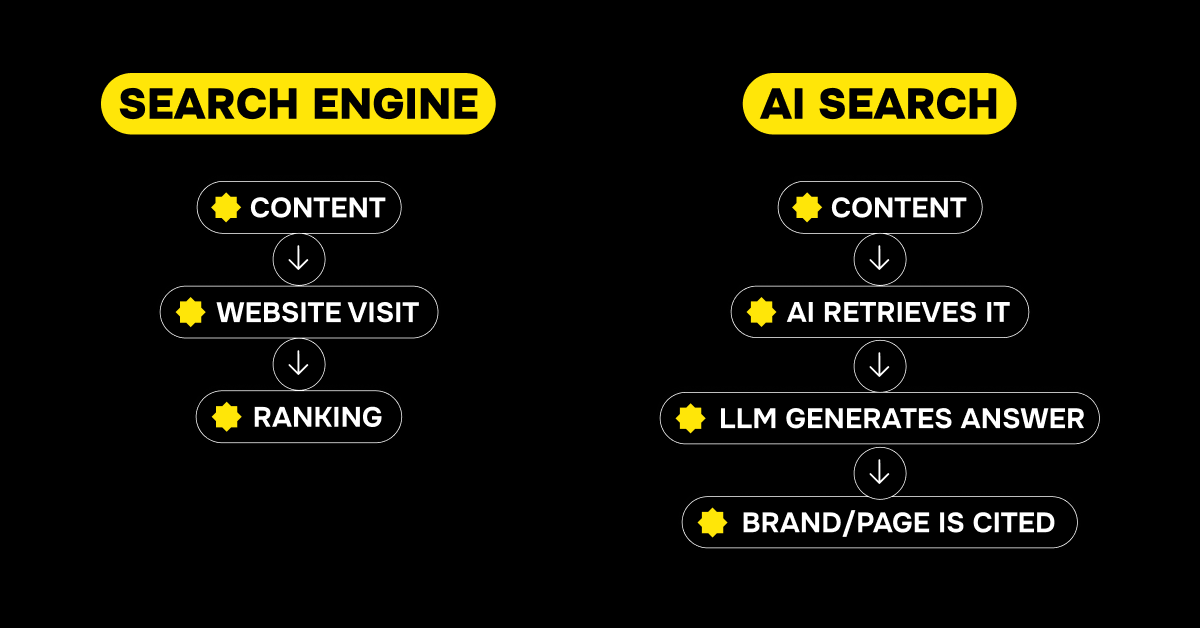
While traditional SEO focuses on helping webpages rank in search engine results, AISO aims to increase the likelihood that a brand, website, or piece of content is selected, referenced, or cited by AI-powered search systems.
Valeriia Masliuchenko:
“Users rarely search for isolated facts now. They ask detailed, conversational questions that require complete and contextual responses. Following this shift, chat-bots also prefer using clear, well-structured content to generate answers that respond to user questions directly.”
Building Content AI Understands (and Human – Enjoys)
Creating AI-friendly content doesn’t mean choosing between writing for machines and writing for people. Looks like that distinction no longer holds in 2026.
Modern AI systems increasingly evaluate content pretty much similar to the way people do, favoring materials that are clear, well-structured, easy to follow, and genuinely helpful. Short paragraphs, descriptive headings, bullet points where appropriate, visual elements, and thoughtful internal linking make content easier to understand for both users and AI.
Valeriia Masliuchenko says:
“By the way, another crucial element here is original insights. This can include case studies, proprietary research, expert commentary, real-world examples, and even opinions where relevant. Why so? Because these are hard to find elsewhere and AI perceives that as a value signal.”
Topical Authority VS More Content
Search engines have become much better at evaluating whether a website genuinely demonstrates expertise rather than simply covering numerous related keywords. Instead of creating dozens of loosely connected pages, the focus has shifted to developing content that addresses real user needs.
“This can be achieved by building comprehensive topic clusters. A strong pillar page introduces a broad subject, while supporting content explores specific questions, use cases, comparisons, and advanced concepts. Strategic internal linking connects these pages, helping search engines understand their relationships and making it easier for users to navigate through the topic.” – Valeriia Masliuchenko.
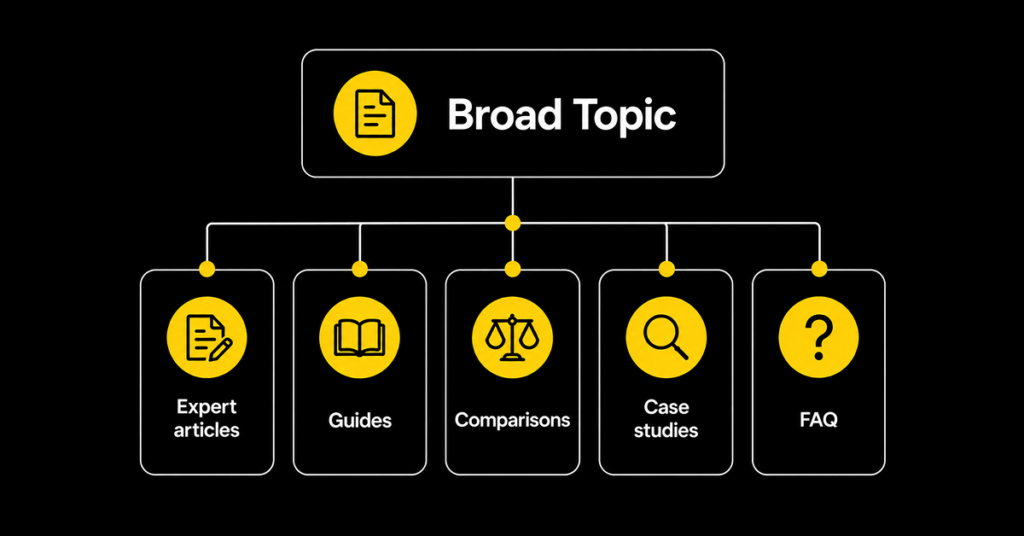
This structure improves crawlability, strengthens semantic relevance, and signals that a website offers comprehensive expertise rather than some random fragmented information.
The Power of Content Updates
Valeriia Masliuchenko says:
“Updating statistics, replacing outdated examples, expanding sections, improving internal links, adding up-to-date expert insights, and addressing newly emerging search intent can significantly improve a page’s performance without requiring an entirely new article.”
That’s why content audits should become a regular part of every SEO strategy. Don’t allow older pages to lose visibility over time – refresh them instead!
Poor User Experience Can Still Ruin Your Rankings
Google and other search engines evaluate not only what a page says, but also how effectively users can access, navigate, and interact with its content. A technically optimized website with poor usability is unlikely to perform as successfully as one that combines valuable information with a smooth, intuitive experience.
Core Web Vitals Matter
Core Web Vitals continue to play an important role in technical SEO by measuring how quickly and smoothly users can interact with a webpage. These are:
- Loading performance
- Visual stability
- Responsiveness
“Although Core Web Vitals alone are not decisive ranking factors, they influence your SEO indirectly. For example, poor performance can increase bounce rates, which weakens overall SEO performance.” – Valeriia Masliuchenko adds.
Search Intent Satisfaction
In general, there are two types of intent:
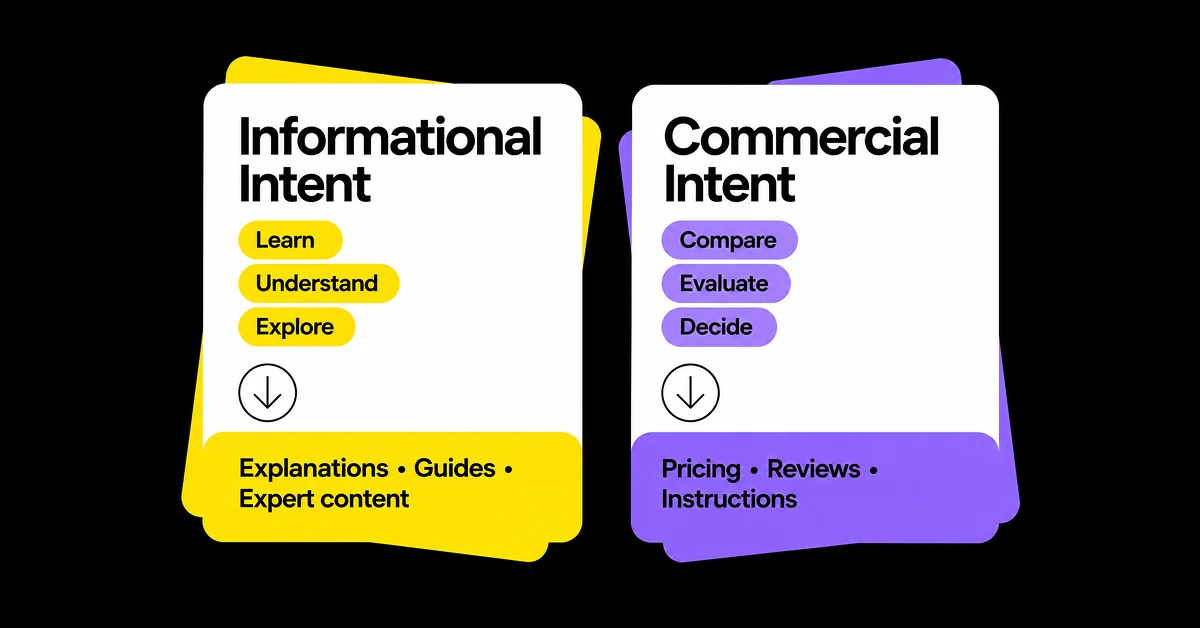
“Every page should clearly match the purpose behind the search query. Informational searches require complete and trustworthy explanations and guides, while commercial queries benefit from comparisons, product details, or pricing information. Users should be able to understand the main message without unnecessary scrolling or navigating through distractions.” – Valeriia Masliuchenko.
EEAT Becomes Even More Important
As search engines become better at evaluating content quality, demonstrating credibility is no longer optional. Google’s EEAT framework (Experience, Expertise, Authoritativeness, and Trustworthiness) continues to influence how content is assessed, particularly in competitive industries and topics where accuracy and reliability are essential.
“Search engines increasingly look for evidence that information comes from knowledgeable sources, reflects real-world experience, and can be trusted by users. At the same time, AI-powered search systems are more likely to reference content from brands with a strong reputation and established authority within their niche.” – Valeriia Masliuchenko says.
Demonstrating Real Expertise
Rather than publishing generic articles, companies should focus on sharing exclusive insights from their own practice, ideally – those that only they can provide. This includes practical case studies, proprietary research, industry data, expert opinions, product demonstrations, and first-hand experience.
“Such content not only improves EEAT signals but also increases the likelihood of earning backlinks, citations, and mentions across the web.” – as Valeriia Masliuchenko says.
Brand Signals Influence Visibility
Brand mentions across reputable websites, high-quality backlinks, positive reviews, media coverage, expert citations, active social profiles, and consistent business information all contribute to stronger authority signals.
“Brand recognition also plays an important role in AI-powered search. Large language models are more likely to surface businesses that have established credibility across multiple trusted sources rather than relying solely on information found on a single website.” – Valeriia Masliuchenko.
Link Building Gets More Selective
Backlinks remain one of the strongest signals of authority in SEO, but the way they are evaluated is now different. Search engines are becoming increasingly effective at distinguishing genuinely valuable links from those created solely to manipulate rankings.
“Instead of pursuing as many backlinks as possible, businesses should focus on earning links that strengthen their brand and expertise. A smaller number of high-quality links from trusted sources often provides greater SEO value than hundreds of low-quality or irrelevant backlinks.” – Valeriia Masliuchenko recommends.
What is more, links from authoritative websites within the same industry carry significantly more weight than links from unrelated blogs or link networks. Search engines also consider the context surrounding a backlink. Editorial links placed naturally within high-quality content are generally more valuable than links that appear forced, overly optimized, or purely promotional.
This shift encourages businesses to invest in valuable content, industry relationships, and genuine expertise rather than relying on outdated link acquisition tactics.
Digital PR and SEO Overlap
Beyond traditional backlinks, brand mentions are also gaining importance. Search engines increasingly recognize references to a company across trusted publications, social media, forums, podcasts, and other online sources as signals of credibility. These mentions can work even without a clickable link.
“Indeed, modern SEO is closely connected with brand building and PR. If you consistently contribute valuable insights, participate in industry conversations, and earn recognition, your brand’s online reputation and organic search visibility grow together.” – Valeriia Masliuchenko.
Technical SEO Is Still a King
While content quality, user experience, and brand authority continue to shape modern SEO, none of these efforts can deliver their full potential without a technically sound website. Technical SEO remains the foundation that allows search engines to efficiently discover, understand, and index content.
“And when websites grow in size and complexity, technical optimization becomes increasingly important. Even the most valuable content may struggle to perform if search engines encounter crawling issues, duplicate pages, poor site architecture, or unclear signals about which content should be indexed.” – Valeriia Masliuchenko.
Remember that Crawl Budget Is Limited
Search engines allocate a limited crawl budget – the set of URLs that Google can crawl in a given period of time. Duplicated, outdated and low-value content wastes that resource, which may delay crawling and indexing of your most important pages.
“Logical site architecture, clean URL structures, optimized internal linking, XML sitemaps, canonical tags, and proper robots.txt directives all contribute to more efficient crawling. Regular technical audits also help identify issues such as broken links, redirect chains, orphan pages, and indexing errors before they affect search visibility.” – Valeriia Masliuchenko adds.
How Businesses Should Adapt Their SEO Strategy in 2026
SEO is no longer about optimizing individual pages or chasing rankings. To stay competitive, businesses need a long-term strategy that combines technical excellence, expert-driven content, brand authority, and a deep understanding of user intent.
In practice, this means building topical authority instead of publishing at scale, creating original content instead of generic rewrites, strengthening your brand alongside your SEO efforts, and measuring success by business outcomes rather than rankings alone.
How Our Team Can Help You Stay Ahead
At mr.Booster, we help businesses build sustainable organic growth by developing SEO strategies tailored to their goals, industry, and competitive landscape. Our SEO services include:
- Comprehensive audits and technical optimization
- AI Search Optimization (AISO) strategies for emerging search experiences
- Keyword research and topical authority planning
- Content strategy, content briefs, and SEO copywriting
- On-page optimization and internal linking improvements
- Structured data implementation and technical SEO enhancements
- Digital PR and high-quality link building
- Ongoing performance monitoring, reporting, and strategy refinement
Whether you’re launching a new website, expanding into new markets, or improving the performance of an established business, we can help you create an SEO strategy that is built for the way people search today and the way they will search tomorrow.
Want to boost your SEO? Contact us today!